Type of article
Guides & Care
How things are made, what they are made of, and how to look after them.
Plates & Bowls (15)

How to Set a Solo Afternoon Tea Table with a Bowl, Plate and Cold-Tea Glass

Can the Mount Fuji & Pine Makie Glass Plate Go in the Dishwasher?

Are the Three Pieces in This Kintsugi-Inspired Afternoon Set Dishwasher Safe?

What Is the Mount Fuji & Pine Makie Plate Made Of?

Kintsugi-Inspired Tableware vs Actual Kintsugi Repair: What Is Different?

A 210 mm Plate vs a 330 mm Platter: What Changes at the Table?

What Comes in the Kintsugi-Inspired Afternoon Ritual Set?

Which Mount Fuji & Pine Plate Size Fits Your Table?

Why Does Each Blue Fireworks Plate Look Slightly Different?

How Large and Heavy Is the Nashiji Square Glass Plate?

Can This Nashiji Lacquer Glass Plate Go in the Dishwasher?

How Small Is the Blue Fireworks Makie Plate?

What Is Lacquer Glass? A Clear Plate with Gold and Silver Leaf

Are Wooden Cutlery Hygienic? How Oil Finish, Hardness, and Wood Species Influence Durability

Can You Use Lacquerware Bowls Every Day? Understanding Durability and Care
Drinkware (9)

Wine vs Cocktails in a 495 ml Ranshi Goblet: How Would You Set the Table?

Can the 495 ml Ranshi Urushi Goblet Go in the Dishwasher?

Which Ranshi Goblet Color Fits Your Table?

What Is the 495 ml Ranshi Urushi Goblet?

Can the Kintsugi Cold Tea Glass Go in the Dishwasher?

Is This Kintsugi Cold Tea Glass a Repaired Vessel?

What Is Tame-Nuri? The Ancient Japanese Lacquer Technique Behind Sake Glasses

Choosing a Japanese-Made Mug: Weight, Rim, Handle and Care

How Does Thickness Change a Mino-yaki Mug? A Practical Guide to Evaluating Mouthfeel and Heat Retention
Tableware Basics (8)
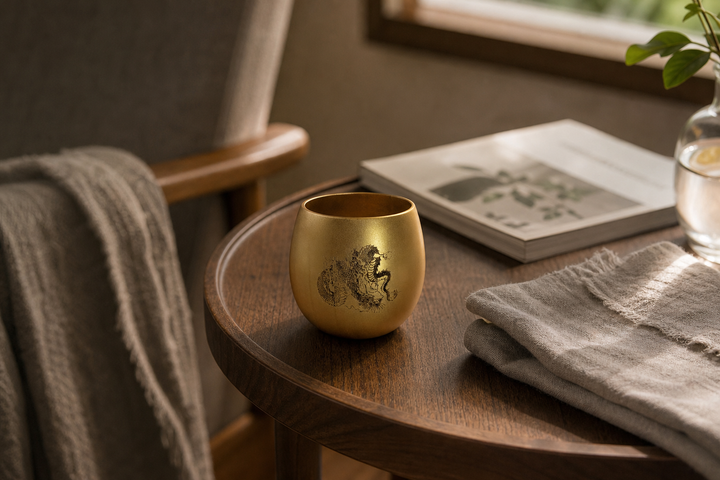
What Is Japanese Lacquerware? Urushi Tradition, Materials & Modern Care Guide
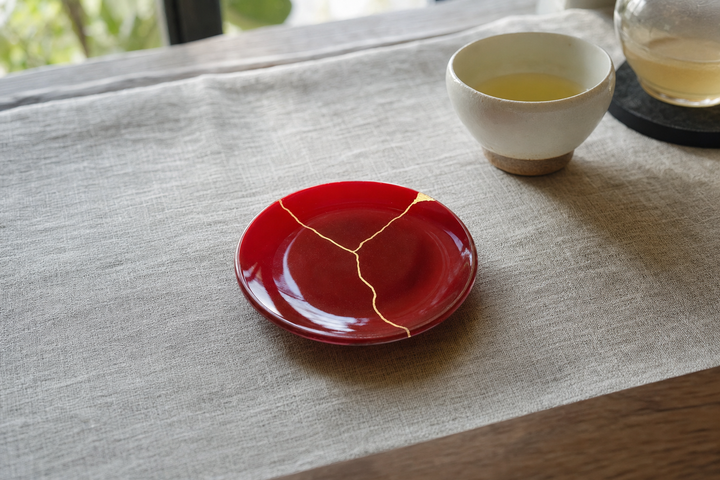
What Is Kintsugi? The Japanese Art of Golden Repair Explained
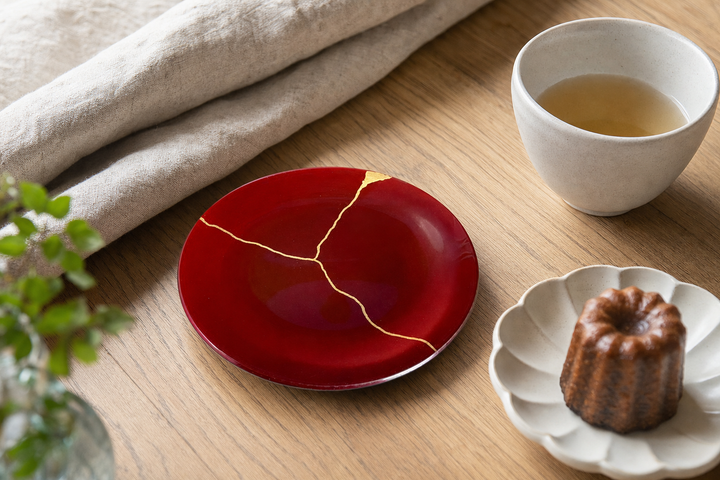
Is Kintsugi Tableware Actually Dishwasher Safe? What You Need to Know
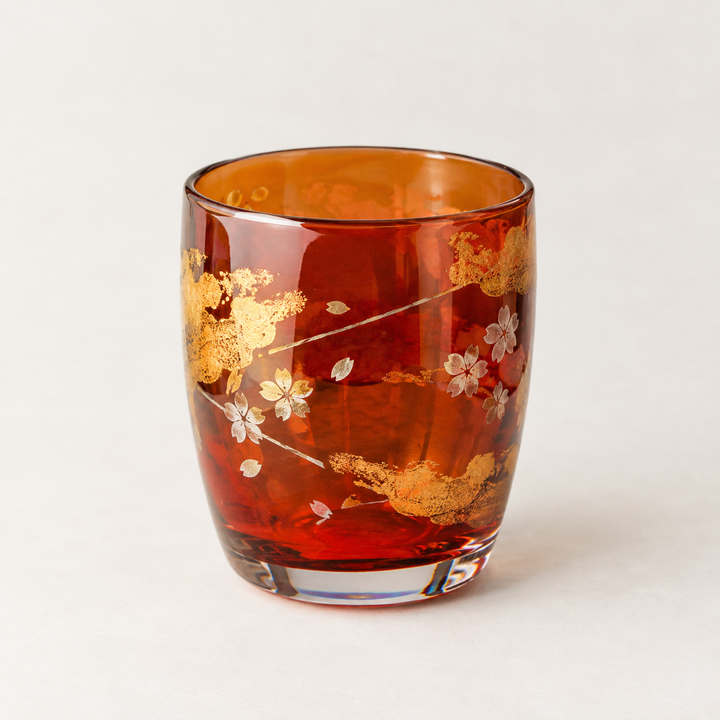
Is Japanese Lacquerware Dishwasher Safe? What You Need to Know Before Buying
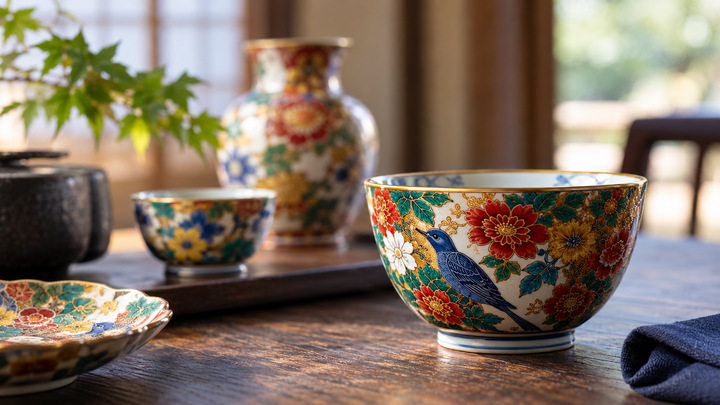
Kutani Porcelain FAQ: Authenticity, Care, and Buying Guide for Collectors

What Is Arita Ware? Japan's First Porcelain and Its 400-Year Legacy
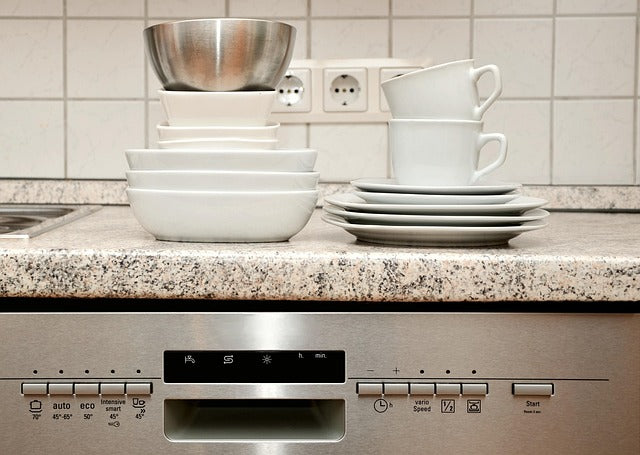
Can You Use Japanese Tableware in the Microwave or Dishwasher? What to Know Before Using Japanese Dishes Every Day
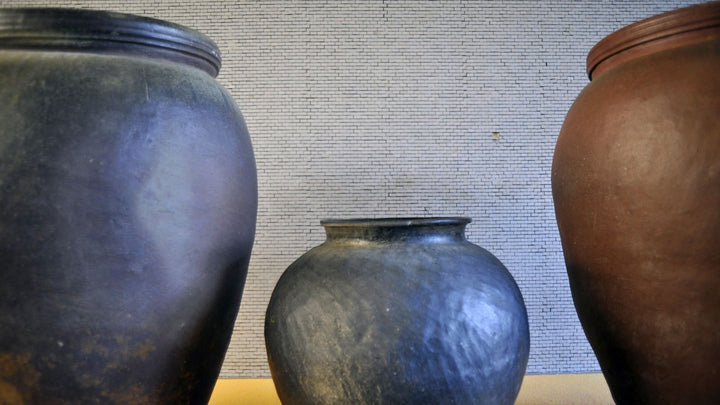
Is It Real Bizen Ware? How to Identify Authentic Japanese Stoneware
Kitchen Tools (4)

Are Japanese Knives Good for Beginners? A First-Knife Guide

What Makes a Japanese Metal Craft a Lifetime Object? Understanding Brass, Copper, and Iron

Are Bamboo Baskets Fragile? How to Identify Long-Lasting Weaves and Quality Materials

Is a Nambu Tetsubin Really Suitable for Daily Use? A Selection Guide Comparing Weight, Water Quality, and Maintenance
Textiles & Indigo (4)


Leather & Accessories (6)

Does Brass Jewelry Tarnish? Who Enjoys Patina—and Who May Not

What Makes a Leather Tote Last for Years? Five Things to Check

Why Are Japanese Leather Goods So Expensive? How Materials and Production Processes Create the Price Gap

How Repairable Are Japanese Handmade Leather Goods? The Realities of Long-Term Use

Do Japanese Mini Wallets Really Last? Where the True Quality Differences Appear

Are Artisan Wooden Watches Fragile? A Clear Look at Mechanisms and Warranties
How to Buy (7)

How Is Small-Batch Japanese Craft Different From Mass Production? The Decision Criteria Behind Choosing Artisan-Made Goods

Backing Japanese Craft on Kickstarter: A First-Time Checklist

What Is the Best Price Range for Your First Japanese Craft Pledge? A Practical Guide to Spending Without Regret

Is International Shipping Really Safe? Five Things to Check Before Backing Japanese Handcrafted Projects
Is “Limited Production” Really Limited? How to Evaluate the Credibility of Japanese Craft Kickstarter Projects
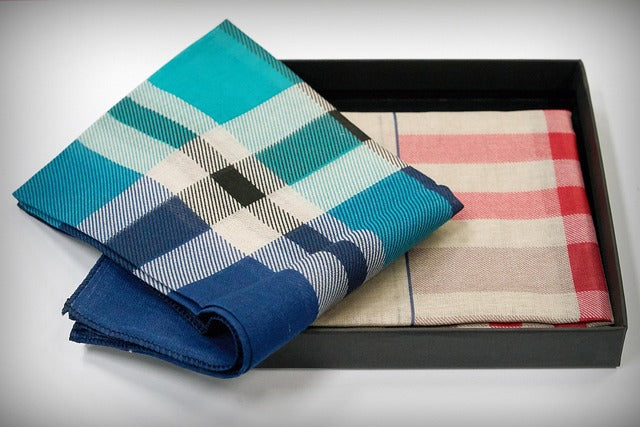
Minimalist Essentials: How to Choose Small but High-Quality Japanese Everyday Items
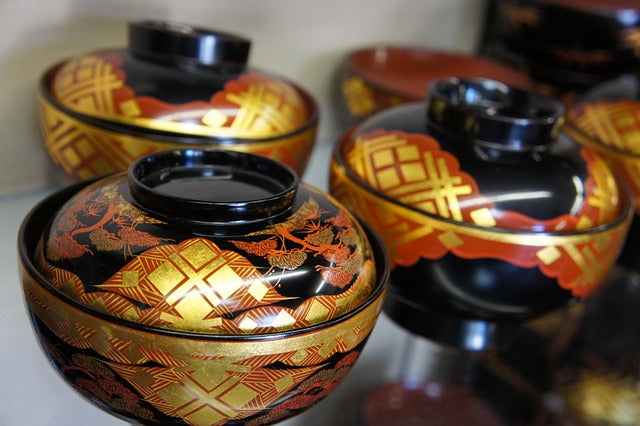
Are Japanese Handmade Crafts Expensive? Understanding the Price and How to Choose Wisely
Stay close to the craft