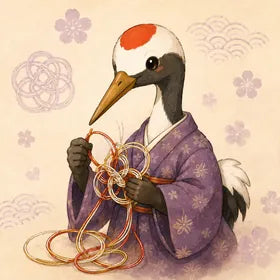
Iga Kumihimo
Iga Kumihimo (伊賀組紐) is a braided cord craft produced in Iga, Mie Prefecture.
History
Detailed historical records concerning the origins and development of Iga Kumihimo are not available within the current source material. Aoyama Square (伝統工芸 青山スクエア), operated by the General Foundation for the Promotion of Traditional Craft Industries (一般財団法人 伝統的工芸品産業振興協会) and located at 8-1-22 Akasaka, Minato-ku, Tokyo, serves as a venue for promoting traditional Japanese crafts including Iga Kumihimo. In April 2026, Aoyama Square launched a multilingual version of its website and published a directory of traditional craft artists titled '日本の伝統工芸士ナビ'.
Techniques & Production Process
Specific details regarding the techniques and production processes used in Iga Kumihimo are not available within the current source material. Iga Kumihimo belongs to the broader category of Japanese Traditional Crafts (Other), which encompasses a wide range of non-textile, non-ceramic craft traditions produced across Japan. A related braided cord tradition, Edo Kumihimo, is produced in Tokyo, while Suruga Himo represents a comparable braided cord tradition from Shizuoka Prefecture.
How to Identify Iga Kumihimo
Specific identification features distinguishing Iga Kumihimo from other braided cord traditions are not described in the current source material.
The Craft Today
Iga Kumihimo is represented at Aoyama Square (伝統工芸 青山スクエア), a retail and exhibition venue located at 8-1-22 Akasaka, Minato-ku, Tokyo 107-0052 (1F), open daily from 11:00 to 19:00, except during year-end and New Year holidays. The venue is operated by the General Foundation for the Promotion of Traditional Craft Industries. Other traditional crafts promoted through Aoyama Square and related exhibition circuits include Ise Katagami, a stencil paper craft also originating in Mie Prefecture. In 2026, an exhibition titled '進化する伝統 暮らしを彩る匠の技' was held at Hankyu Umeda Main Store in Osaka from July 15 to July 20, presenting traditional crafts in a contemporary retail context.
Frequently Asked Questions
What is Iga Kumihimo?
Iga Kumihimo (伊賀組紐) is a braided cord craft produced in Iga, Mie Prefecture, Japan.
Where can Iga Kumihimo be seen or purchased in Tokyo?
Aoyama Square (伝統工芸 青山スクエア), located at 8-1-22 Akasaka, Minato-ku, Tokyo 107-0052 (1F), is a venue operated by the General Foundation for the Promotion of Traditional Craft Industries that carries traditional Japanese crafts. It is open from 11:00 to 19:00, except year-end and New Year holidays. The telephone number is 03-5785-1301.
Is Iga Kumihimo related to other braided cord traditions in Japan?
Japan has several regional braided cord traditions. Edo Kumihimo is produced in Tokyo, and Suruga Himo is a braided cord tradition from Shizuoka Prefecture. The relationship and distinctions between these traditions and Iga Kumihimo are not detailed in the current source material.
What organization promotes Iga Kumihimo?
The General Foundation for the Promotion of Traditional Craft Industries (一般財団法人 伝統的工芸品産業振興協会) operates Aoyama Square, which promotes Iga Kumihimo alongside other Japanese traditional crafts.
Sources
Find your craft type
Who are you hoping to find something for?
日本工芸を、誰の暮らしに届けたいですか?