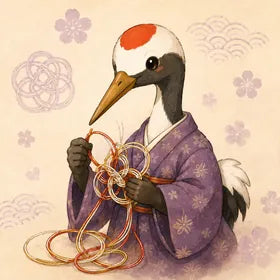
Yonezawa-ori (米沢織) is the textile tradition centered on Yonezawa, Yamagata Prefecture. It sits within the nationally designated Oitama Tsumugi production area, which also includes the distinctive weaving traditions of Nagai and Shirataka.
History and Regional Context
The regional silk industry expanded under Uesugi Yozan, the late-eighteenth-century lord known for reforming the finances of the Yonezawa domain. Official craft accounts describe weavers being invited from Echigo and Kyoto, technical knowledge being taught locally, and sericulture and weaving being developed as productive work across the domain.
Yonezawa became especially associated with plant-dyed silk. Safflower, long connected with Yamagata, is joined by dyes from walnut, chestnut, plum, pomegranate, and other botanical materials. These are not merely decorative associations: preparing and layering dyes requires knowledge of how each material responds to fiber, mordant, water, and repeated immersion.
Materials and Production
Oitama Tsumugi encompasses different local expressions. Yonezawa textiles are known for plant color and refined silk weaving; Nagai developed weft and combined warp-weft kasuri; Shirataka is noted for itajime, in which threads are clamped between patterned boards before dyeing to create precise small motifs.
For Yonezawa plant dyeing, color may be built in layers rather than produced by one bath. Official craft reporting gives the example of combining indigo and safflower for purple. Weaving a plain cloth is itself demanding because uneven yarn tension or beating cannot be hidden by a busy pattern.
How to Identify and Buy Responsibly
- Ask whether the textile is sold as Yonezawa-ori, Yonezawa Tsumugi, or the broader Oitama Tsumugi, and request the maker and technique.
- Plant-dyed color alone does not prove provenance. Look for production-area labels, workshop documentation, and a clear explanation of fiber, dye, and weave.
- Distinguish Yonezawa's plant-dyed textiles from Nagai and Shirataka kasuri traditions while recognizing that all belong to the wider Oitama region.
The Craft Today
Yonezawa weavers produce kimono and obi fabrics alongside scarves, stoles, and interior textiles. Contemporary use expands the market, but the strongest pieces remain grounded in material knowledge and disciplined loom work. Compare Japanese textiles, Yuki-tsumugi, and Shiozawa Tsumugi.
Wearing and Care
Natural-dye claims should come with clear information from the maker because color behavior depends on the plant, mordant, and finishing method. Limit prolonged sunlight, follow the workshop's care directions, and use a specialist cleaner for kimono fabric. Keep labels with the textile to preserve provenance.
When commissioning cloth, discuss season, garment type, width, colorfastness, and whether the yarn was handwoven or machine woven. For plant-dyed work, small tonal variation can reflect the dye process, but provenance and the maker's explanation remain more useful than romantic assumptions about natural color.
Frequently Asked Questions
Is Yonezawa-ori the same as Oitama Tsumugi?
Yonezawa-ori is part of the broader Oitama textile region. Oitama Tsumugi also includes traditions associated with Nagai and Shirataka.
What dyes are associated with Yonezawa textiles?
Safflower is especially famous, alongside plant materials such as walnut, chestnut, plum, pomegranate, and tree bark.
How can I verify a Yonezawa textile?
Ask for the production-area label, maker, fiber, dye method, and weave. Provenance is more reliable than judging color or pattern alone.
Sources
探索相关作品
与这篇文章相关的作品
我们正在增加相关作品,您也可以先看看顾客喜爱的作品。
查看更多作品 →


寻找适合你的工艺
你想为谁挑选作品?
你希望把日本工艺带进谁的生活?